


Blog | Blockchain
Blockchain in Medical Supply Chain
Blockchain in medical supply chains enhances transparency, traceability, and security, improving healthcare logistics and reducing counterfeit risks.
- Blogs

Blockchain in medical supply chain
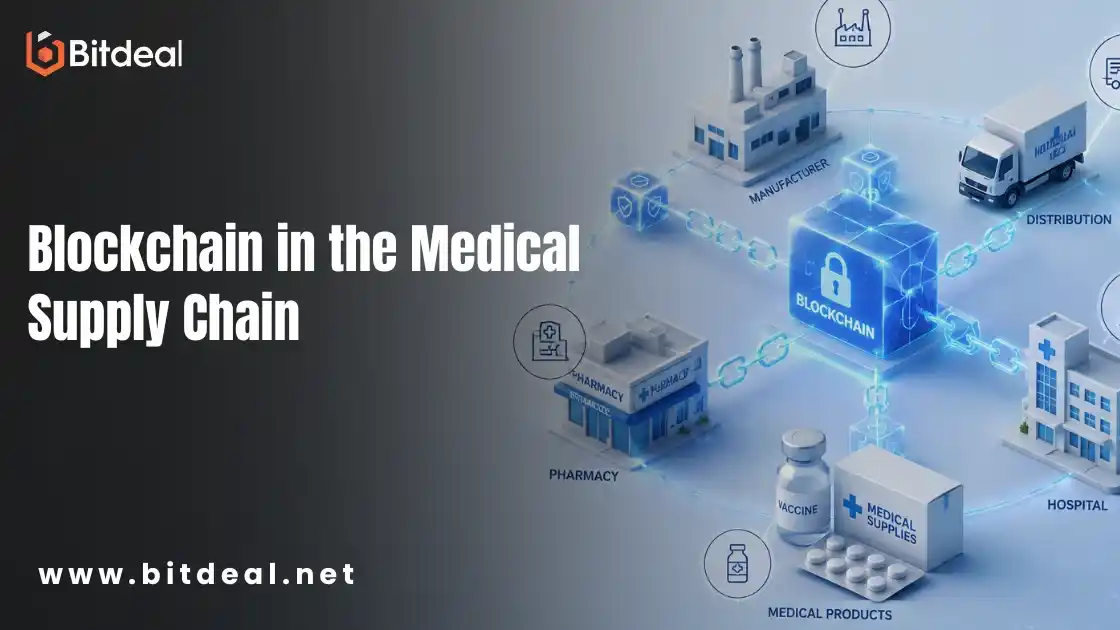
In an era where healthcare is increasingly reliant on technology, the integration of blockchain in the medical supply chain is proving to be a game-changer. This innovative technology enhances transparency, improves logistics, and ensures drug traceability, ultimately leading to better patient outcomes. By leveraging Blockchain Development, healthcare providers can streamline operations, reduce costs, and build trust among stakeholders. This article delves into the various benefits of blockchain for healthcare, explores real-world applications, and discusses the future of blockchain technology in the medical supply chain.
Understanding Blockchain Technology
Blockchain Development is a decentralized digital ledger that records transactions across multiple computers. This ensures that the recorded transactions cannot be altered retroactively without the consensus of the network. In the context of the medical supply chain, blockchain creates a secure and transparent environment for tracking the movement of goods, verifying authenticity, and ensuring compliance with regulations.
How Blockchain Works
At its core, blockchain operates through a series of blocks that contain transaction data. Each block is linked to the previous one, forming a chain. This structure not only enhances security but also provides a clear audit trail. When applied to the medical supply chain, each transaction from the manufacturer to the distributor to the healthcare provider is recorded in real-time, ensuring that all stakeholders have access to the same information.
Benefits of Blockchain for Healthcare
The adoption of blockchain technology in healthcare offers numerous benefits, including
Enhanced Transparency: Blockchain allows all participants in the supply chain to view real-time data, reducing the risk of fraud and errors.
Improved Drug Traceability: With blockchain, every drug can be traced back to its origin, ensuring authenticity and safety.
Cost Savings: By streamlining processes and reducing administrative burdens, blockchain can lead to significant cost reductions.
Increased Efficiency: Automating processes through smart contracts can speed up transactions and reduce delays.
Blockchain Technology in Pharmaceuticals
The pharmaceutical industry is one of the most affected by counterfeit drugs. According to the World Health Organization, up to 10% of medicines in low- and middle-income countries are substandard or falsified. Blockchain technology can help combat this issue by providing a secure and immutable record of each drug's journey through the supply chain. This ensures that healthcare providers can verify the authenticity of medications before administering them to patients.
Case Studies: Blockchain in Action
Several organizations are already leveraging blockchain technology in the medical supply chain. For instance, a collaboration between major pharmaceutical companies and technology firms has led to the development of a blockchain platform that tracks drugs from production to delivery. This initiative not only enhances safety but also improves efficiency by reducing the time it takes to verify drug authenticity.
Medical Supply Chain Transparency with Blockchain
Transparency is crucial in the medical supply chain, where the stakes are high. Blockchain provides a transparent platform where all transactions are recorded and can be audited. This not only fosters trust among stakeholders but also ensures compliance with regulatory requirements. For example, the FDA has shown interest in using blockchain to improve drug traceability and ensure that medications are safe and effective.
How Blockchain Improves Healthcare Logistics
Logistics in healthcare can be complex, with multiple parties involved in the distribution of medical supplies. Blockchain simplifies this process by providing a single source of truth. This means that everyone involved, from manufacturers to distributors to healthcare providers, can access the same information, reducing the chances of miscommunication and errors.
Blockchain Solutions for Medical Supply Chain
Numerous blockchain solutions are emerging to address the unique challenges of the medical supply chain. These solutions often include features such as
Smart Contracts: Automate agreements and transactions, reducing the need for intermediaries.
Real-time Tracking: Monitor the movement of goods in real-time, ensuring timely deliveries.
Data Security: Protect sensitive information through encryption and decentralized storage.
Cost Savings with Blockchain in Medical Supply Chain
Implementing blockchain technology can lead to significant cost savings for healthcare organizations. By reducing administrative overhead, minimizing fraud, and improving operational efficiency, organizations can allocate resources more effectively. A study found that blockchain could save the healthcare industry up to $100 billion annually by streamlining processes and reducing waste.
Blockchain Startups in Healthcare
The rise of blockchain technology has led to the emergence of numerous startups focused on healthcare solutions. These companies are innovating ways to integrate blockchain into the medical supply chain, offering services that enhance transparency, improve traceability, and streamline logistics. Some notable startups include those developing platforms for drug verification and supply chain management.
Blockchain Implementation in Healthcare
Implementing blockchain in healthcare requires careful planning and collaboration among stakeholders. Organizations must consider the following steps
Identify Use Cases: Determine where blockchain can add value, such as drug traceability or supply chain transparency.
Engage Stakeholders: Collaborate with manufacturers, distributors, and healthcare providers to ensure a unified approach.
Choose the Right Technology: Select a blockchain platform that meets the specific needs of the organization.
Develop a Pilot Program: Test the technology on a smaller scale before full implementation.
Future of Blockchain in Medical Supply Chain
The future of blockchain in the medical supply chain looks promising. As technology continues to evolve, we can expect to see more innovative applications that enhance patient safety, improve efficiency, and reduce costs. According to a report by Forbes, the healthcare industry is likely to see increased investment in blockchain solutions, paving the way for broader adoption.
Blockchain Partnerships in Healthcare
Collaboration is key to the successful implementation of blockchain in healthcare. Partnerships between technology companies, healthcare providers, and regulatory bodies can facilitate the development of robust blockchain solutions. By working together, stakeholders can address challenges, share best practices, and drive innovation in the medical supply chain.
Conclusion: Embracing Blockchain for a Better Future
As the healthcare industry continues to face challenges related to transparency, efficiency, and safety, blockchain technology offers a viable solution. By embracing blockchain in the medical supply chain, organizations can enhance patient outcomes, reduce costs, and build trust among stakeholders. To learn more about how blockchain can transform your healthcare operations, connect with us at bitdeal.net.
Get A Demo
We are glad to announce that, Bitdeal is making one more milestone in its journey. As Web3 technologies becomes more dominant and lucrative, bitdeal sets its footmark in AI and Gaming Space. Explore our all-new AI and Gaming Solutions below here.