


Blog | Blockchain
Blockchain is No Longer a Feature; It is the New Operating System for Global Trade
Blockchain is evolving beyond a technology feature, becoming the foundation for secure, transparent, and efficient global trade networks.
- Blogs

Blockchain is the new operating system for global trade
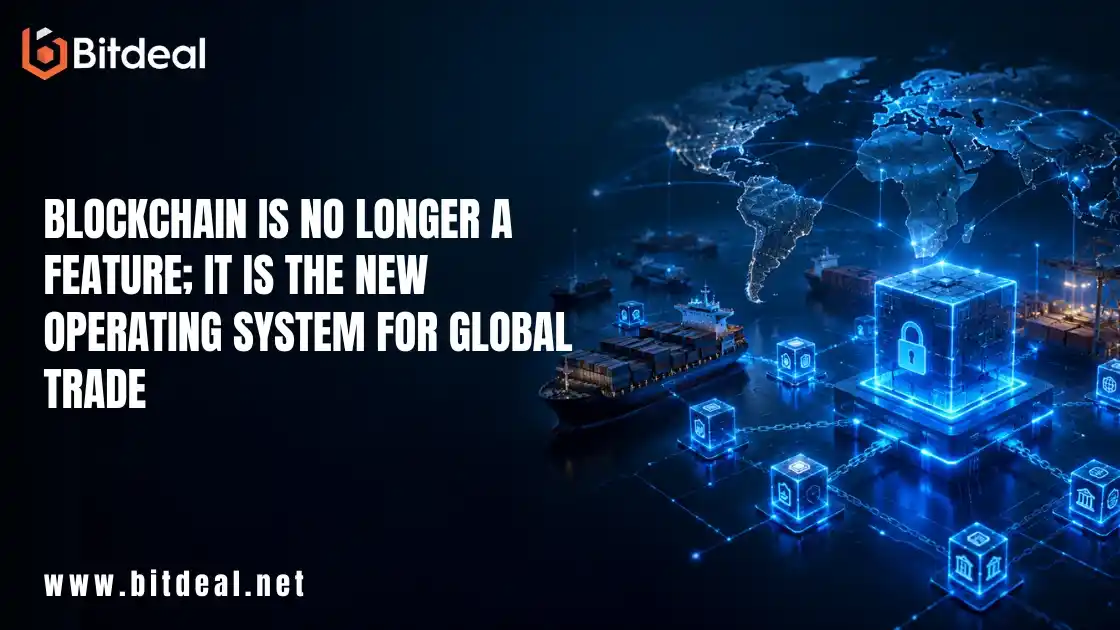
In recent years, blockchain technology has emerged as a transformative force in global trade, reshaping how businesses operate and interact. No longer just a feature, blockchain is now being recognized as the new operating system that underpins trade operations across the globe. This article explores the profound impact of blockchain on trade, its benefits, and how it is revolutionizing supply chains, trade finance, and logistics.
Understanding Blockchain Technology
At its core, Blockchain Development ledger technology that allows for secure and transparent transactions. Each transaction is recorded in a block and linked to the previous one, creating an immutable chain of data. This structure ensures that once information is added, it cannot be altered, providing a high level of security and trust.
The Decentralization Advantage
Decentralization is one of the key features of blockchain. By eliminating the need for a central authority, blockchain reduces the risk of fraud and manipulation. This is particularly important in global trade, where transactions often involve multiple parties across different jurisdictions.
The Impact of Blockchain on Global Trade
Blockchain technology is making waves in global trade by enhancing transparency, efficiency, and security. The traditional trade processes are often plagued by inefficiencies, delays, and high costs. Blockchain addresses these issues head-on.
Enhancing Transparency
With blockchain, all parties involved in a trade transaction can access the same information in real-time. This transparency fosters trust among stakeholders, as everyone can verify the authenticity of transactions. For example, a company using blockchain can easily prove the origin of its products, a critical factor in today’s consumer market.
Improving Efficiency
Blockchain streamlines trade processes by automating various tasks through smart contracts. These self-executing contracts automatically enforce the terms of an agreement, reducing the need for intermediaries and minimizing delays. This efficiency is particularly beneficial in supply chain management, where timely delivery is crucial.
Blockchain in Supply Chain Solutions
Supply chains are complex systems involving multiple stakeholders, making them prime candidates for blockchain integration. By providing a single source of truth, blockchain enhances coordination among suppliers, manufacturers, and distributors.
Real-World Case Studies
Several companies are already leveraging blockchain in their supply chains. For instance, a major retailer implemented a blockchain solution to track the journey of its products from farm to shelf. This not only improved food safety but also increased consumer trust.
Blockchain Trade Finance
Trade finance is another area where blockchain is making significant strides. Traditional trade finance processes are often slow and cumbersome, involving numerous documents and approvals. Blockchain simplifies these processes, allowing for faster and more secure transactions.
Reducing Fraud in Trade Finance
Fraud is a significant concern in trade finance. Blockchain’s transparency and immutability make it difficult for fraudulent activities to occur. By ensuring that all transactions are recorded and verifiable, blockchain helps mitigate risks associated with trade finance.
How Blockchain Improves Logistics
Logistics is a critical component of global trade, and blockchain technology is poised to revolutionize this sector as well. By providing real-time tracking and visibility, blockchain enhances the overall efficiency of logistics operations.
Streamlining Customs Processes
Customs processes can be notoriously slow and complicated. Blockchain can simplify these processes by providing a transparent and easily accessible record of shipments. This not only speeds up customs clearance but also reduces the likelihood of errors.
Blockchain Adoption in Business
Despite its numerous benefits, the adoption of blockchain in business is not without challenges. Companies must navigate regulatory hurdles and ensure that their systems are compatible with existing technologies.
Overcoming Regulatory Challenges
Regulatory uncertainty is a significant barrier to blockchain adoption. Companies must work closely with regulators to develop frameworks that facilitate the use of blockchain while ensuring compliance with existing laws.
The Future of Blockchain in Trade
The future of blockchain in trade looks promising. As more companies recognize its benefits, we can expect to see increased adoption across various industries. Blockchain is not just a passing trend; it is set to become an integral part of the global trade landscape.
Emerging Blockchain Startups
Numerous startups are emerging in the blockchain space, focusing on innovative solutions for trade and logistics. These companies are driving the evolution of blockchain technology and its applications in global trade.
Conclusion: The Call to Action
As blockchain continues to evolve, businesses must stay informed and consider how they can integrate this technology into their operations. The potential benefits are immense, from enhanced security to improved efficiency.
To explore how blockchain can transform your business, connect with us at bitdeal.net.
Get A Demo
We are glad to announce that, Bitdeal is making one more milestone in its journey. As Web3 technologies becomes more dominant and lucrative, bitdeal sets its footmark in AI and Gaming Space. Explore our all-new AI and Gaming Solutions below here.