


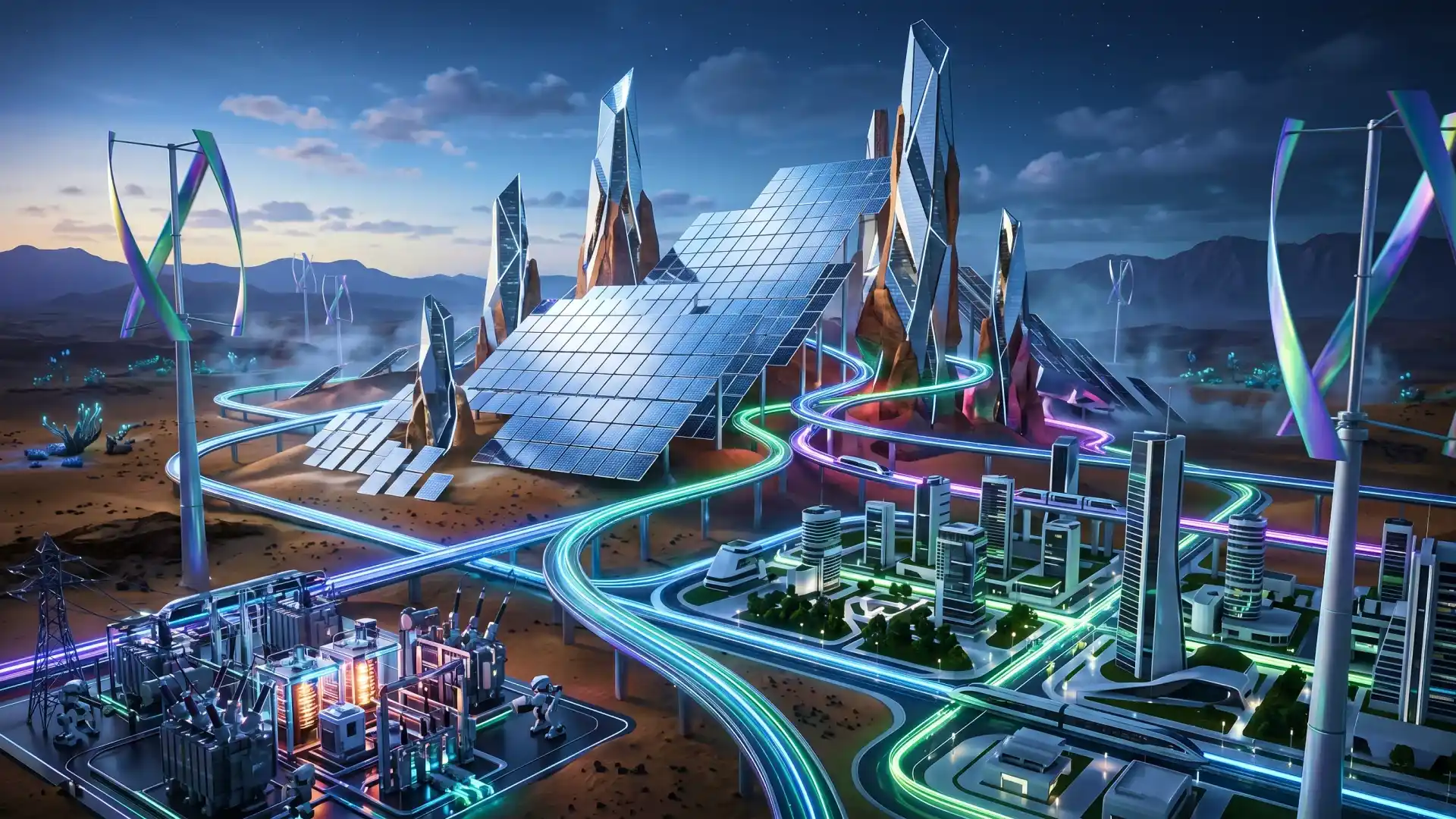
As global energy demands rise and infrastructure becomes increasingly connected, digital transformation is redesigning how energy and utility companies operate, optimize, and deliver sustainable services worldwide.
What Digital Transformation Means for Energy & Utilities
Digital transformation is turning legacy energy utilities from disconnected, static systems into connected and intelligent, data-driven operational ecosystems for utilities around the world. Current utilities are combining real-time metering, cloud-based platforms, analytics, and automation to increase efficiency and dependability and enhance customer experiences.
Over 55% of utility companies are utilizing advanced digital technologies to handle infrastructure and improve operational performance more effectively. Building smarter, faster, and more flexible utility networks globally is where an increasing number of organizations are investing in digital transformation service solutions today.
How Digital Transformation Is Reshaping Energy Production and Distribution
Smart Infrastructure Improves Energy Reliability
High-end digital systems allow utilities to monitor operations, prevent outages, and optimize power delivery to the interconnected infrastructure networks.
Predictive Technologies Reduce Operational Disruptions
Advanced predictive maintenance solutions for utilities offer early detection of failures and optimal long-term operational reliability.
Energy Systems Are Becoming More Adaptive
Smart sensors, automation, and digital twins together make a smooth blend of fossil fuels, nuclear, and renewable power generation.
Renewable Energy Expansion Continues to Accelerate
The total international renewable generation of electricity has eclipsed that of coal, with over 793 GW of new renewable capacity installed during the year.
Top Digital Trends Transforming the Utilities Sector
AI Is Optimizing Utility Operations
Nowadays, utilities progressively implement AI development tools to enhance their capabilities in forecasting, automation, and operational decision-making.
Cloud Platforms Modernize Energy Management
Higher energy cloud computing puts all the utilities at a common point, which helps the utility to centralize operations, helps scalability, and improves the reliability of the services.
Smart Grid Technologies Improve Efficiency
Smart grid solutions today give us the ability to "watch and respond" to changes in energy consumption in real time.
AI-Driven Forecasting Reduces Costs
New demand forecasting and grid-balancing applications can help utilities to save as much as 20% of their balancing-related O&M costs.
Connected Sensors Enhance Infrastructure Visibility
The utility of the advanced IoT sensors is the availability of real-life operational insights for improved asset monitoring and utility infrastructure management.
Integrated Digital Platforms Improve Coordination
Utility companies are integrating converged OT/IT systems and GIS technologies to streamline workflows and create superior customer service experiences.
Digital Transformation Driving the Future of Renewable Energy
AI Is Accelerating Renewable Energy Planning
Advanced AI systems and simulation platforms are allowing energy providers to plan renewable projects better and deploy them much faster.
Drone Technologies Improve Site Analysis
With the help of drone surveys, it can conduct feasibility studies more rapidly, inspect infrastructures, and evaluate renewable energy projects more accurately.
Hybrid Energy Systems Are Being Developed Rapidly
Currently, digital technologies allow for efficient solar-plus-storage integration that is leading to globally stable and flexible renewable energy infrastructure.
Intelligent Platforms Optimize Energy Efficiency
Newly developed AI in energy control systems facilitates the balancing of renewable energy loads and also makes power usage optimal and more efficient.
Digital Adoption in Renewables Continues Rising
The share of hybrid solar-plus-storage projects in simulations that was around 12% at the beginning of 2024 grew to about 20% by the end of 2026.
Cyber Energy: Security, Resilience, and Protecting Critical Infrastructure
Rising Cyberattacks Target Critical Infrastructure
Energy and utility systems are now main targets for hacking, data theft, and service interruptions, threatening national security and critical public infrastructure services globally.
Securing Operational Technology Networks
Utility companies are upgrading their OT settings with zero-trust principles, 24/7 monitoring, and advanced threat identification, guaranteeing faster incident response
Building Resilient Disaster Recovery Frameworks
Nowadays comprehensive back-up systems, effective incident management, and cyber-resilience planning become standard means of keeping services running without a break.
Protecting Customer and Grid Data
Strong encryption, identity management, and secure data governance are essential tools for protecting both operational and consumer information from being compromised.
Regulatory Compliance Is Becoming Essential
To protect the national infrastructure and to ensure the continuation of their operations, energy companies are embracing more rigorous cybersecurity structures and industry standards.
How AI and Automation Improve Efficiency, Sustainability, and Cost Control
Smart Decisions
AI-powered analytics allow utilities to make quick operational changes and maximize the use of resources in the energy networks.
Lower Costs
Through automation, the company can eliminate unnecessary steps, increase efficiency, and greatly reduce the cost of maintenance and administration.
Greener Operations
Smart solutions not only improve the way energy is used but also help in achieving environmental targets through the effective management of resources.
Faster Response
Instant anomaly detection is made possible by the automated monitoring systems, which also allow for speedy correction of any operational problems.
Better Forecasting
Effective predictive algorithms help with demand forecasting, thereby reducing energy wastage and improving the performance of the infrastructure gradually.
Building Future-Ready Utility Infrastructure With Cloud and Data Analytics
Unified Data Platforms
Today, utility companies gather data from various systems and combine them to build a single pool of operational knowledge.
Scalable Cloud Systems
Cloud-native standard architecture helps utilities not only to grow their activities quicker but also to enhance their flexibility and resource management skills.
Real-Time Insights
Next-generation analytics programs extract meaningful insights from large operational data to support infrastructure development over a long period.
Digital Collaboration
Integrated tools help team members in the field and control rooms, as well as customer service departments, to work together without any difficulty.
Data-Driven Innovation
Smart utilities are using analytics and cloud solutions to create energy systems not only resilient and adaptive but also very much focused on customers.
How Bitdeal Accelerates Digital Transformation in Energy and Utilities
Building Intelligent Energy Ecosystems
Bitdeal brings scalable digital solutions that allow energy providers to digitalize their solutions, modernize their operational processes, optimize their assets, and improve their service efficiencies.
Delivering Industry-Focused Innovation
Being a top Digital Transformation Company, Bitdeal equips utilities with empowering AI, cloud, and automation technologies to facilitate sustainable growth.
Enabling Future-Ready Infrastructure
Bitdeal allows companies to create forward-thinking, dependable, and sustainable energy systems built on data-driven insight for the utilities industry of tomorrow.