


Blog | Blockchain
Know Your Supplier: Supply Chain Identity Management Using Blockchain
Explore how blockchain improves supply chain identity management with secure supplier verification, transparency, and traceability.
- Blogs

Know your supplier supply chain identity management using blockchain
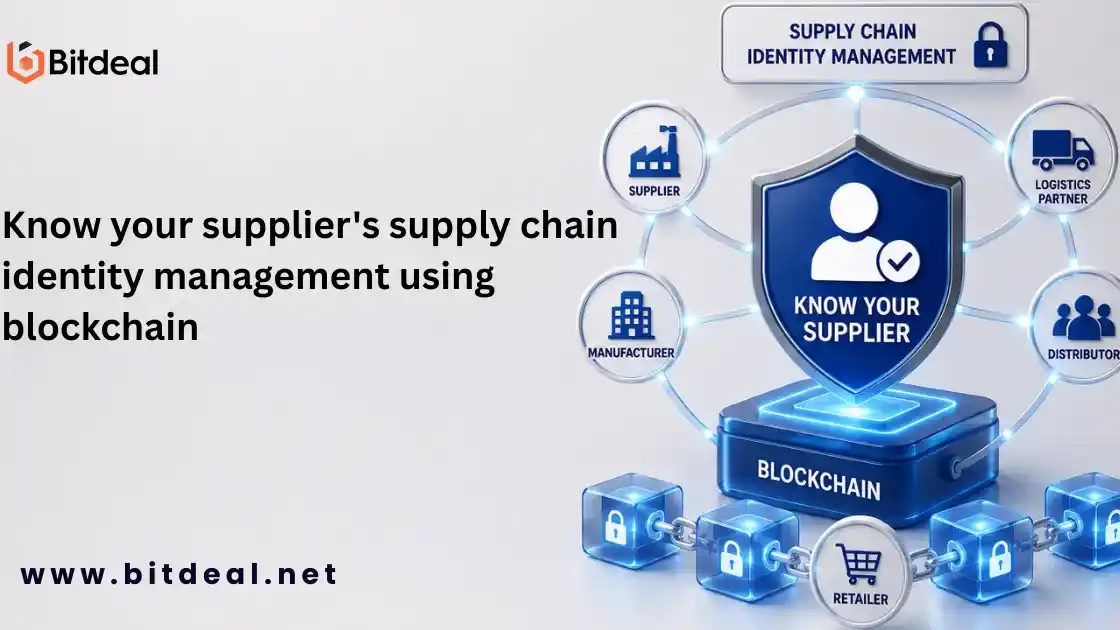
In today's rapidly evolving business landscape, the integrity and transparency of supply chains have become paramount. Blockchain Development emerges as a transformative solution for supply chain identity management, enabling companies to verify supplier identities, enhance traceability, and ensure security. This article delves into how blockchain can revolutionize supplier identity management, the benefits it offers, and the challenges it faces in the real world.
Understanding Blockchain Technology
Blockchain is a decentralized digital ledger that records transactions across multiple computers. This technology ensures that the recorded data is immutable and transparent, providing a reliable way to verify transactions without the need for a central authority. In the context of supply chain management, blockchain can streamline processes and improve trust among stakeholders.
The Importance of Supplier Identity Management
Supplier identity management is crucial for businesses to mitigate risks associated with fraud, compliance, and operational inefficiencies. By accurately verifying supplier identities, companies can ensure that they are working with legitimate and reliable partners. This is where blockchain technology plays a vital role.
How Blockchain Improves Supplier Identity Management
Blockchain enhances supplier identity management by providing a secure and transparent platform for verifying supplier credentials. Each supplier's information, such as certifications, audit results, and transaction history, can be stored on the blockchain. This ensures that all stakeholders have access to the same verified information, reducing the chances of fraud.
Benefits of Blockchain in Supply Chain Management
The integration of blockchain technology into supply chain management offers numerous benefits
Enhanced Transparency: Every transaction is recorded on a public ledger, allowing stakeholders to trace the origin and journey of products.
Improved Traceability: Blockchain enables real-time tracking of goods, ensuring that companies can quickly identify issues in the supply chain.
Increased Security: The decentralized nature of blockchain reduces the risk of data tampering and fraud.
Cost Reduction: By automating processes through smart contracts, companies can reduce administrative costs and improve efficiency.
Blockchain for Supplier Verification
Supplier verification is a critical process that ensures the legitimacy of suppliers. Blockchain technology facilitates this by allowing companies to create a digital identity for each supplier. This identity can include essential information such as business registration details, compliance certifications, and performance history. By leveraging blockchain, companies can streamline the verification process and reduce the time and resources spent on manual checks.
Smart Contracts in Supply Chain
Smart contracts are self-executing contracts with the terms of the agreement directly written into code. In supply chain management, smart contracts can automate various processes, such as payments and compliance checks. For instance, a smart contract can automatically release payment to a supplier once goods are delivered and verified, ensuring timely transactions and reducing disputes.
Challenges in Blockchain Supply Chain Implementation
Despite its potential, implementing blockchain in supply chain management is not without challenges
Scalability: As the number of transactions increases, maintaining a fast and efficient blockchain can be challenging.
Integration with Existing Systems: Many companies have legacy systems that may not be compatible with blockchain technology.
Regulatory Concerns: The legal status of blockchain transactions can vary by region, complicating compliance efforts.
Real-Time Supply Chain Tracking with Blockchain
One of the standout features of blockchain technology is its ability to provide real-time tracking of goods throughout the supply chain. This capability allows businesses to monitor inventory levels, track shipments, and respond swiftly to disruptions. By using blockchain, companies can gain insights into their supply chain operations, enabling them to make informed decisions.
Blockchain Security in Supply Chain
Security is a major concern for businesses operating in the supply chain. Blockchain technology enhances security by encrypting data and distributing it across a network of computers. This decentralized approach makes it nearly impossible for hackers to alter or manipulate data, providing a secure environment for sensitive information.
Case Studies: Blockchain in Supply Chain Management
Several companies have successfully implemented blockchain technology in their supply chains
Walmart: Walmart uses blockchain to enhance food traceability, allowing them to track the origin of products and respond quickly to food safety issues.
De Beers: The diamond company utilizes blockchain to verify the authenticity of diamonds, ensuring that they are conflict-free.
Blockchain Platforms for Supply Chain
Various blockchain platforms are available for businesses looking to implement blockchain in their supply chains. These platforms offer tools for creating decentralized applications, managing smart contracts, and ensuring data integrity. Some notable platforms include Ethereum, Hyperledger Fabric, and VeChain.
Future of Blockchain in Supply Chain Management
The future of blockchain in supply chain management looks promising. As more companies recognize the benefits of this technology, we can expect increased adoption and innovation. With advancements in scalability and interoperability, blockchain could become the backbone of supply chain operations worldwide.
Conclusion: Embrace Blockchain for Supplier Identity Management
In conclusion, blockchain technology presents a revolutionary approach to supplier identity management in the supply chain. By enhancing transparency, security, and efficiency, blockchain can help businesses build stronger relationships with their suppliers and improve overall supply chain performance. To stay ahead in the competitive landscape, companies must consider adopting blockchain solutions for their supply chain needs.
Get A Demo
We are glad to announce that, Bitdeal is making one more milestone in its journey. As Web3 technologies becomes more dominant and lucrative, bitdeal sets its footmark in AI and Gaming Space. Explore our all-new AI and Gaming Solutions below here.