


Blog | Blockchain
Traditional Database vs Blockchain: A Comprehensive Analysis
Explore the key differences between traditional databases and blockchain in security, transparency, scalability, and data management.
- Blogs

Traditional database vs blockchain a comprehensive analysis
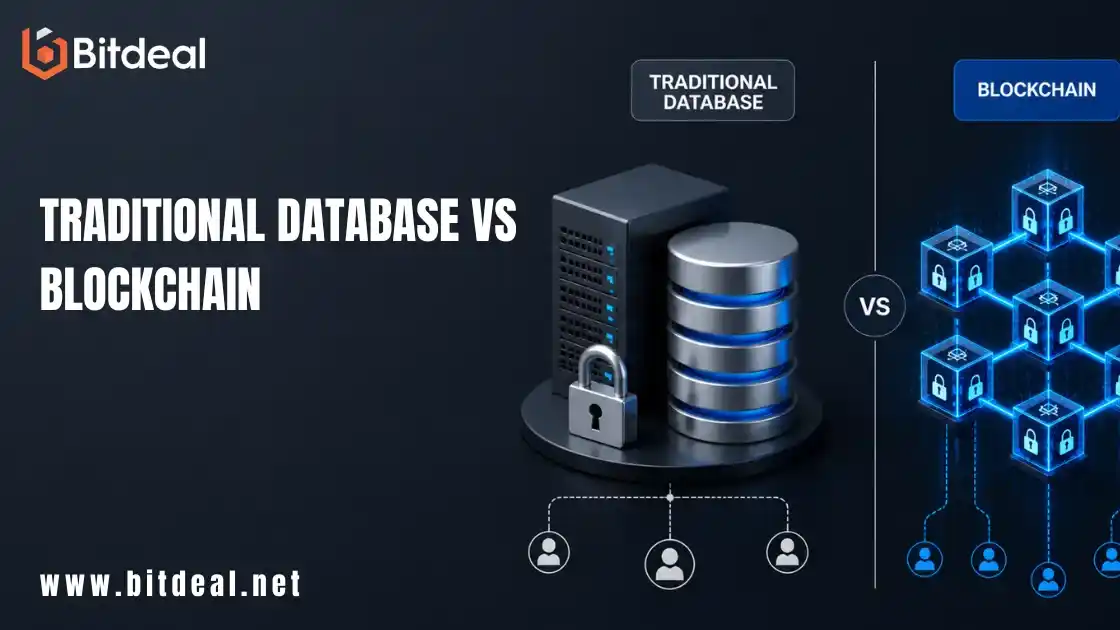
In the digital age, data management is crucial for businesses and organizations. As technology evolves, so do the methods of storing and managing data. Traditional databases have served us well for decades, but the emergence of Blockchain Development is changing the landscape. This article explores the differences between traditional databases and blockchain, highlighting the advantages of blockchain, its use cases, and when it is appropriate to implement this innovative technology.
Understanding Traditional Databases
Traditional databases, such as SQL databases, have been the backbone of data management for many years. They are structured systems that store data in tables, allowing for efficient retrieval and manipulation. However, traditional databases come with limitations, including issues related to scalability, data integrity, and security. Organizations often face challenges when dealing with large volumes of data or complex transactions.
Limitations of Traditional Databases
Despite their reliability, traditional databases have several limitations:
Scalability Issues: As data grows, traditional databases can struggle to maintain performance.
Single Point of Failure: Centralized databases can be vulnerable to attacks or failures.
Data Integrity Risks: Manipulation of data can occur, leading to inconsistencies.
High Maintenance Costs: Managing and maintaining traditional databases can be resource-intensive.
What is Blockchain?
Blockchain is a decentralized digital ledger technology that records transactions across multiple computers. This ensures that the recorded transactions cannot be altered retroactively without the consensus of the network. Blockchain operates on a peer-to-peer network, enhancing transparency and security.
How Blockchain Works
At its core, blockchain technology consists of blocks that contain transaction data, a timestamp, and a cryptographic hash of the previous block. This chain of blocks is secured through cryptography, ensuring that once data is added, it cannot be changed without altering all subsequent blocks. This makes blockchain an excellent solution for maintaining data integrity.
Advantages of Blockchain Over Traditional Databases
Blockchain technology offers several advantages compared to traditional databases:
- Decentralization: Eliminates the single point of failure, enhancing security.
- Enhanced Security: Data is encrypted and immutable, reducing the risk of data breaches.
- Improved Transparency: All transactions are visible to authorized users, promoting trust.
- Cost Efficiency: Reduces the need for intermediaries, lowering operational costs.
Blockchain Database Use Cases
Blockchain technology is being adopted across various industries. Some notable use cases include:
Supply Chain Management: Ensures transparency and traceability of products.
Financial Services: Facilitates secure and fast transactions.
Healthcare: Protects patient data while allowing authorized access.
Voting Systems: Enhances security and integrity of electoral processes.
Blockchain vs SQL Database
When comparing blockchain to SQL databases, several key differences emerge:
- Data Structure: SQL databases use structured tables, while blockchain uses a decentralized ledger.
- Transaction Speed: Blockchain transactions may take longer due to consensus mechanisms.
- Data Integrity: Blockchain provides higher data integrity through immutability.
Blockchain Security Features
Security is one of the most significant benefits of blockchain technology. Key security features include:
- Cryptography: Data is encrypted, making unauthorized access difficult.
- Consensus Mechanisms: Transactions are validated by network participants, reducing fraud.
- Immutability: Once data is recorded, it cannot be altered, ensuring trust.
Blockchain Scalability Issues
Despite its advantages, blockchain technology faces scalability challenges. As more transactions are added, the network can slow down. Solutions such as sharding and layer-2 protocols are being explored to address these issues.
When to Use Blockchain
Understanding when to implement blockchain is crucial. It is most beneficial in scenarios where:
- Data integrity and security are paramount.
- Decentralization can enhance trust among parties.
- Transparency is needed in transactions.
Blockchain for Data Integrity
Blockchain is particularly effective for maintaining data integrity. Its immutable nature ensures that once data is recorded, it remains unchanged. This is vital in sectors like finance and healthcare, where data accuracy is critical.
Cost of Implementing Blockchain
Implementing blockchain technology can involve significant initial costs, including infrastructure setup and training. However, the long-term benefits often outweigh these costs, especially in terms of reduced operational expenses and increased efficiency.
Blockchain Consulting Services
For organizations looking to implement blockchain, consulting services can provide valuable insights and strategies. These services can help businesses understand how to integrate blockchain into their existing systems effectively.
Best Blockchain Platforms for Businesses
Several blockchain platforms cater to various business needs. Some of the best include:
Ethereum: Known for its smart contract capabilities.
Hyperledger: Ideal for enterprise solutions.
Ripple: Focuses on financial transactions.
Future of Databases with Blockchain
The future of databases is likely to be influenced significantly by blockchain technology. As businesses continue to seek more secure and efficient ways to manage data, the integration of blockchain into traditional database systems may become commonplace.
In conclusion, while traditional databases have served their purpose well, the advantages offered by blockchain technology cannot be ignored. From enhanced security to improved data integrity, blockchain presents a compelling case for businesses looking to innovate their data management strategies.
Get A Demo
We are glad to announce that, Bitdeal is making one more milestone in its journey. As Web3 technologies becomes more dominant and lucrative, bitdeal sets its footmark in AI and Gaming Space. Explore our all-new AI and Gaming Solutions below here.