


Blog | AI Solutions
What is an AI Avatar? Exploring Its Role in Business and Entertainment
Bring your digital persona to life with our advanced AI avatar development services. We create hyper-realistic avatars powered by AI-driven expressions, speech, and interactions — perfect for gaming, metaverse, customer engagement, and virtual communication.
- Blogs

What is an ai avatar
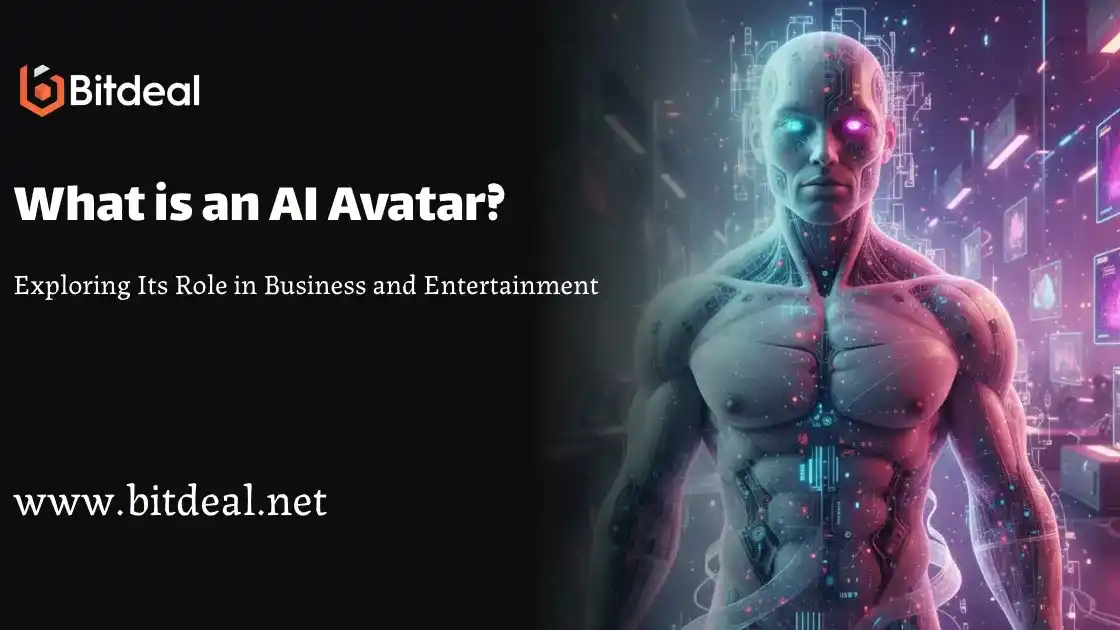
Imagine being greeted by a lifelike virtual assistant who not only speaks like a human but also understands emotions, gestures, and context. Sounds futuristic?
AI avatars are intelligent digital personas powered by artificial intelligence that can talk, move, and even express personality. From personalized customer support agents to virtual influencers and entertainers, these avatars are becoming the new face of digital communication.
Business communications are now conducted through virtual meetings, and online interactions have become both convenient and easily accessible to a large audience. AI avatars play an important role in delivering human-like customer experiences, while the entertainment industry is creating virtual celebrities who can sing, act, and engage with fans worldwide.
As technology continues to blur the line between the real and the virtual, AI avatars are redefining what it means to be “present” online, combining intelligence, emotion, and creativity like never before.
What is an AI Avatar?
An AI Avatar is a digital human-like representation powered by artificial intelligence that can interact, communicate, and respond just like a real person. Unlike traditional avatars that are static or pre-programmed, AI avatars use advanced technologies such as machine learning (ML), natural language processing (NLP), and computer vision to understand context, emotions, and intent, making their interactions more natural and lifelike.
Think of them as virtual personalities that can speak, listen, move, and even express emotions in real time. They can represent individuals, brands, or fictional characters, and can be used across different platforms, from websites and social media to metaverse environments and business communication tools.
AI avatars can take different forms:
- 2D or 3D animated characters for digital spaces and games.
- Hyper-realistic virtual humans used in marketing, entertainment, and customer service.
- Voice-based AI avatars that respond to voice commands or conversations.
How AI Avatars Work?
AI avatars may appear simple on the surface, but behind every realistic gesture, voice, and response lies a complex system of advanced technologies working together. These avatars combine artificial intelligence, machine learning, natural language processing, and digital animation to simulate human behavior and communication.
At a fundamental level, AI avatars are designed to understand input, process it intelligently, and respond in a way that feels natural and engaging. Here’s how the process works:
1. Artificial Intelligence and Machine Learning
AI and machine learning form the foundation of every AI avatar. They enable the system to learn from large amounts of data, including speech patterns, facial movements, and conversational context. Over time, this learning process helps avatars adapt their responses and improve the quality of interactions, making them appear more “human.”
2. Natural Language Processing (NLP)
NLP allows AI avatars to understand and generate human language. By analyzing words, tone, and emotion, NLP enables avatars to interpret what users are saying and respond appropriately. This is what makes conversations with AI avatars feel fluid and authentic rather than scripted.
3. Computer Vision and Motion Capture
Computer vision gives avatars the ability to recognize faces, gestures, and visual cues, while motion capture translates human movements into digital animation. Together, these technologies help avatars display realistic facial expressions and body language, enhancing the sense of human-like interaction.
4. 3D Modeling and Animation
Once the intelligence is built, visual designers use advanced 3D modeling and animation tools to shape the avatar’s appearance. Through a professional 3D Character Design Service, this stage defines how the avatar looks and moves, whether it’s a stylized digital persona or a hyper-realistic human model created for virtual meetings, gaming, or entertainment experiences.
5. Real-Time Processing and Cloud Integration
Most AI avatars rely on cloud-based processing to handle the heavy computational tasks required for real-time communication. This allows them to process speech, generate responses, and render animations instantly, ensuring smooth interaction across devices and platforms.
Applications of AI Avatars in Business
AI avatars are transforming the way businesses engage with customers, streamline operations, and improve brand presence. By combining intelligence with human-like interaction, they offer scalable solutions that improve efficiency and deliver more personalized experiences. Here are the key areas where AI avatars are making a significant impact in business:
Customer Support and Service
AI avatars serve as virtual customer service representatives, providing instant assistance 24/7. They can answer frequently asked questions, guide users through processes, and even resolve complex issues using natural conversation. This reduces response time, minimizes operational costs, and ensures a consistent service experience for customers.
Marketing and Brand Engagement
Businesses are increasingly utilizing AI avatars as digital brand ambassadors. From interactive campaigns to personalized recommendations, AI avatars can engage customers in ways that traditional marketing cannot. They are also being used as virtual influencers to reach audiences on social media, creating unique opportunities for brand storytelling and product promotion.
Training and Onboarding
Virtual AI assistants are transforming employee training and onboarding processes. By replicating real-world situations, offering immersive learning opportunities, and navigating employees through organizational protocols and procedures, they improve the training experience. This results in more captivating, simplified, and universally accessible training for remote teams.
Sales and Lead Generation
AI avatars can assist in the sales process by interacting with potential clients, answering queries, and providing product information in real time. By automating initial client engagement, businesses can focus on high-value interactions while maintaining a personalized experience for customers.
Internal Communication and Collaboration
Some companies are using AI avatars internally to facilitate communication and collaboration. They can serve as meeting assistants, project guides, or virtual colleagues, helping teams stay organized and informed while improving workplace engagement.
Applications of AI Avatars in Entertainment
Beyond mere business transformation, AI avatars are also spearheading a shift in the entertainment sector. By fusing human imagination with AI capabilities, they are opening novel avenues for narrative development, content production, and audience interaction. Some of the most notable applications in this field include:
Virtual Actors and Performers
AI avatars can act as virtual performers in films, animations, and digital productions. They can mimic human expressions, gestures, and emotions, allowing creators to produce realistic characters without relying solely on human actors. This technology also enables the creation of entirely new characters that were previously impossible to bring to life.
Gaming and Interactive Experiences
AI-powered characters are highly used in AI game development to boost player engagement by acting as virtual companions or game characters that interact with players. These digital entities can adjust to player behavior, react thoughtfully to actions, and even drive evolving narratives, resulting in a more immersive and customized gaming experience.
Virtual Influencers and Digital Celebrities
Social media and content platforms are seeing a rise in AI-powered virtual influencers. These digital personalities can interact with audiences, endorse products, and produce content without the limitations of traditional human influencers. Brands are utilizing AI avatars to reach younger, tech-savvy audiences in innovative ways.
Music and Performance Arts
AI avatars are being used to create virtual singers, dancers, and performers. These avatars can generate music, choreography, and performances that appeal to global audiences, pushing the boundaries of creativity and enabling entirely new forms of entertainment.
Immersive Experiences in the Metaverse
AI avatars play a key role in metaverse platform development, where they act as personal avatars, guides, or interactive characters in virtual worlds. They improve the immersive experience by making interactions more dynamic and lifelike, whether in concerts, virtual events, or interactive storytelling.
Real-World Examples and Success Stories
AI avatars have evolved from experimental tools to practical applications used globally by companies, organizations, and artists. Real-world implementations showcase AI avatars' potential to boost participation, enrich interactions, and attain iconic status.
1. Lil Miquela – The Virtual Influencer
Lil Miquela is one of the most well-known AI-powered virtual influencers, with millions of followers on social media. She interacts with fans, collaborates with major brands, and even releases music, all without being a human. This demonstrates how AI avatars can serve as digital brand ambassadors and influencers in marketing campaigns.
2. Replika – AI Companions
Replika is an AI avatar application that creates virtual companions capable of meaningful conversations. Users engage with their avatars for social interaction, mental wellness, and emotional support. This example highlights the potential of AI avatars in creating personalized, empathetic digital experiences.
3. K-Pop’s AI Idols
Several K-Pop agencies have introduced AI-generated idols, creating virtual singers that perform in concerts and online events. These avatars can sing, dance, and interact with fans, offering an innovative approach to entertainment and fan engagement.
4. Soul Machines – Human-Like Digital Assistants
Soul Machines develops hyper-realistic AI avatars for businesses, including banking, healthcare, and customer service. Their avatars provide human-like interaction, empathy, and guidance, improving user experience and operational efficiency.
5. Virtual Characters in Gaming and the Metaverse
Many gaming companies and metaverse platforms now use AI avatars as dynamic, interactive characters. These avatars adapt to player behavior, provide real-time feedback, and create immersive, personalized experiences that keep audiences engaged.
Conclusion
AI avatars are helping businesses engage customers, streamline operations, and deliver personalized experiences at scale. They bring intelligence, human-like interaction, and creativity together, enabling brands to connect with audiences in ways that were impossible just a few years ago.
As an experienced AI Development Company, Bitdeal helps businesses to utilize the complete potential of AI avatars. From custom avatar development to easy integration into websites, apps, or metaverse platforms, Bitdeal empowers companies to improve engagement, improve efficiency, and stay updated.
Get A Demo
We are glad to announce that, Bitdeal is making one more milestone in its journey. As Web3 technologies becomes more dominant and lucrative, bitdeal sets its footmark in AI and Gaming Space. Explore our all-new AI and Gaming Solutions below here.