


Blog | Blockchain
Blockchain Energy Grid: Revolutionizing Energy Distribution
Explore how blockchain energy grids improve energy distribution with transparency, smart contracts, and decentralized power management.
- Blogs

Blockchain energy grid revolutionizing energy distribution
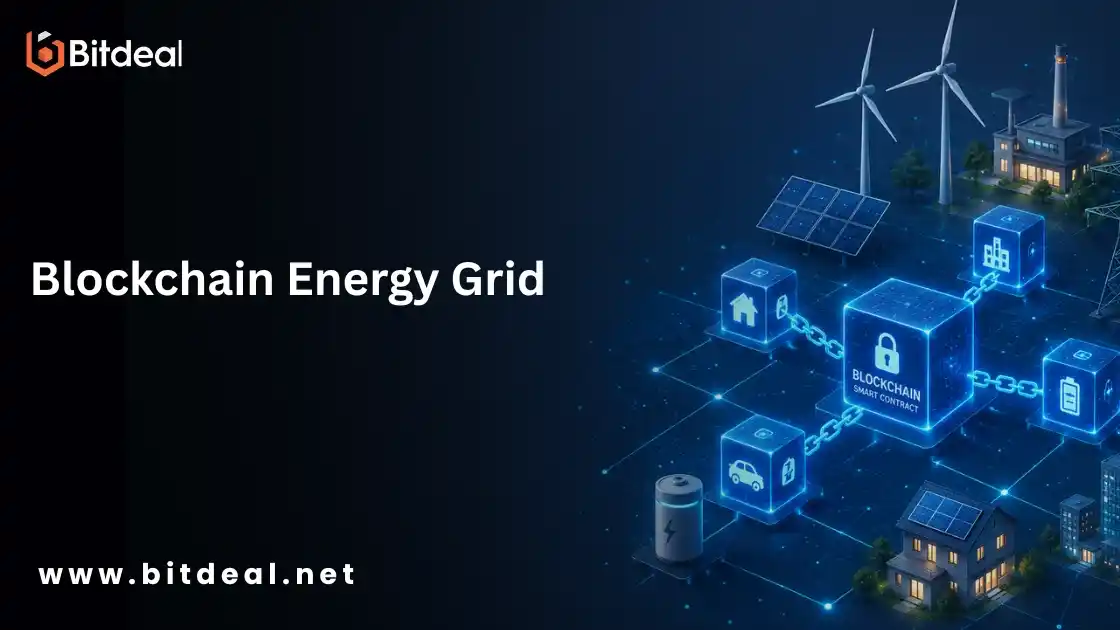
The energy sector is on the brink of a transformation, thanks to blockchain technology. By integrating decentralized systems, blockchain can optimize energy distribution, enhance efficiency, and foster innovative trading platforms. This article explores the multifaceted benefits of blockchain in the energy grid, its applications in renewable energy, and the future landscape of energy trading.
Understanding Blockchain Technology
Blockchain technology is a decentralized digital ledger that records transactions across multiple computers. This Blockchain Development ensures that the recorded transactions cannot be altered retroactively, providing transparency and security. In the energy sector, blockchain can streamline processes, reduce costs, and improve efficiency.
What is a Blockchain Energy Grid?
A blockchain energy grid refers to an energy distribution system that utilizes blockchain technology to manage and optimize energy flow. This system allows for peer-to-peer energy trading, where consumers can buy and sell energy directly without intermediaries. This decentralized approach promotes energy independence and efficiency.
How Blockchain Can Optimize Energy Distribution
Blockchain technology can significantly enhance energy distribution in several ways
Decentralization: By removing intermediaries, blockchain allows for direct transactions between energy producers and consumers.
Transparency: All transactions are recorded on a public ledger, ensuring accountability and reducing fraud.
Smart Contracts: Automated contracts can facilitate transactions, ensuring that agreements are executed without delays.
Blockchain Energy Trading Platforms
Energy trading platforms powered by blockchain technology are emerging as a game-changer. These platforms enable users to trade energy directly, fostering a competitive market. For instance, platforms like Power Ledger allow consumers to sell excess energy generated from solar panels to their neighbors.
Decentralized Energy Systems and Blockchain
Decentralized energy systems powered by blockchain can revolutionize how we produce and consume energy. These systems allow local communities to generate, store, and trade energy among themselves, reducing reliance on centralized power grids. This approach not only enhances energy security but also promotes sustainability.
Blockchain in Renewable Energy
Blockchain technology is particularly beneficial in the renewable energy sector. By facilitating peer-to-peer energy trading, blockchain encourages the use of renewable sources like solar and wind. Consumers can sell surplus energy back to the grid, incentivizing the adoption of green technologies.
Benefits of a Blockchain Energy Grid
The benefits of integrating blockchain into the energy grid are manifold
- Increased Efficiency: By automating transactions and reducing the need for intermediaries, blockchain enhances operational efficiency.
- Cost Reduction: Lower transaction costs can lead to significant savings for consumers and producers a like.
- Enhanced Security: The decentralized nature of blockchain makes it less vulnerable to cyberattacks.
Investing in Blockchain Energy Solutions
Investing in blockchain energy solutions is becoming increasingly attractive. As the energy sector shifts towards decentralization, early adopters of blockchain technology can gain a competitive edge. Investors can look into startups focusing on blockchain energy solutions, as they are likely to see substantial growth in the coming years.
Case Studies of Blockchain Energy Grids
Several case studies illustrate the successful implementation of blockchain in energy distribution
Brooklyn Microgrid: This project allows residents to sell excess solar energy to their neighbors using blockchain technology.
Power Ledger: This platform enables peer-to-peer energy trading, allowing users to buy and sell renewable energy directly.
The Future of Blockchain in the Energy Sector
The future of blockchain in the energy sector looks promising. As more companies adopt this technology, we can expect to see increased efficiency, lower costs, and greater sustainability. The integration of blockchain with smart grids will further enhance energy management and distribution.
Blockchain Energy Market Analysis
The blockchain energy market is poised for growth. Analysts predict that the adoption of blockchain technology in energy systems will increase significantly in the next decade. Factors driving this growth include the rising demand for renewable energy, the need for efficient energy management, and advancements in blockchain technology.
Peer-to-Peer Energy Trading Blockchain
Peer-to-peer energy trading is a key application of blockchain technology. By enabling consumers to trade energy directly, this model promotes competition and reduces costs. It empowers consumers to take control of their energy consumption and production, leading to a more sustainable energy future.
Challenges in Implementing Blockchain Energy Grids
Despite its potential, implementing blockchain in energy grids comes with challenges
Regulatory Compliance: Navigating the regulatory landscape can be complex, as energy markets are often heavily regulated.
Technical Barriers: Integrating blockchain with existing energy infrastructure can pose technical challenges.
Public Awareness: Educating consumers about blockchain technology and its benefits is crucial for widespread adoption.
Blockchain Energy Regulation Compliance
Compliance with energy regulations is essential for the successful implementation of blockchain energy grids. Companies must ensure that their blockchain solutions adhere to local and national regulations to avoid legal issues.
Conclusion: The Path Forward
Blockchain technology has the potential to transform the energy sector by optimizing distribution, enhancing efficiency, and promoting sustainability. As we move towards a decentralized energy future, investing in blockchain energy solutions will be crucial for both consumers and producers.
Connect with bitdeal.net to explore how blockchain can revolutionize your energy solutions.
Get A Demo
We are glad to announce that, Bitdeal is making one more milestone in its journey. As Web3 technologies becomes more dominant and lucrative, bitdeal sets its footmark in AI and Gaming Space. Explore our all-new AI and Gaming Solutions below here.