


Blog | Blockchain
Land Registry Blockchain: Revolutionizing Property Ownership
Discover how land registry blockchain transforms property ownership with secure records, transparency, and faster real estate transactions.
- Blogs

Land registry blockchain revolutionizing property ownership
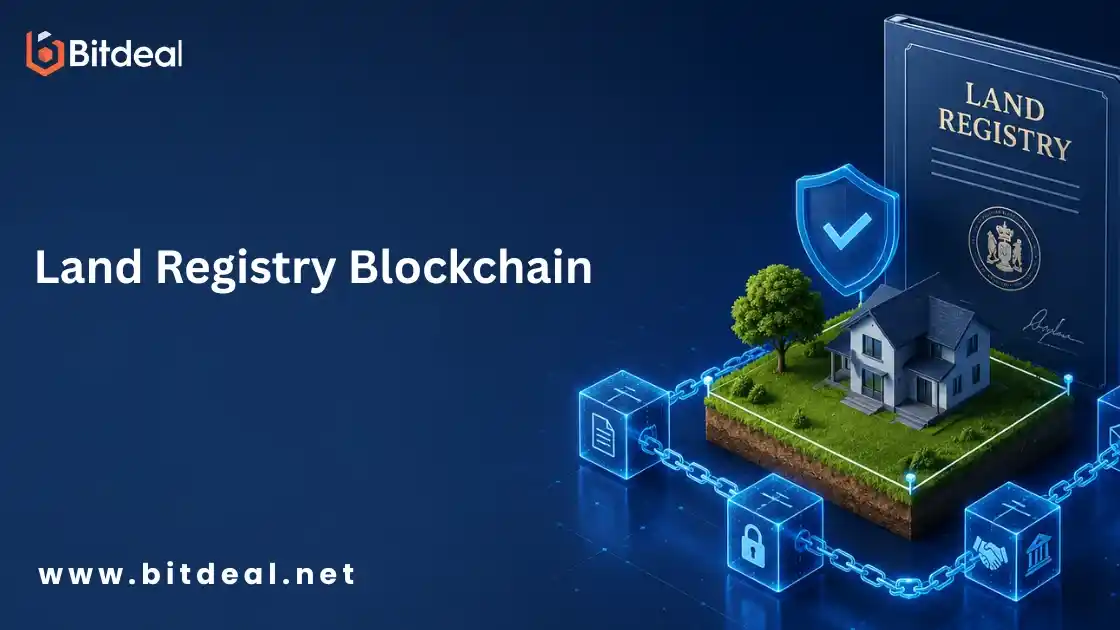
The integration of blockchain technology into land registries is reshaping the landscape of property ownership and management. By providing a secure, transparent, and efficient method for recording land titles, blockchain is addressing long-standing issues in traditional land registration systems. This article explores how blockchain can secure land titles, its benefits, and real-world case studies that showcase its potential in transforming property registration processes.
Understanding Blockchain Technology
Blockchain Development is a decentralized digital ledger that records transactions across multiple computers, ensuring that the data is secure and immutable. Each block in the chain contains a list of transactions, and once a block is filled, it is added to the chain in a linear, chronological order. This technology is particularly beneficial for land registries because it eliminates the need for intermediaries, reduces fraud, and enhances transparency.
Benefits of Blockchain in Land Registry
Implementing blockchain for property registration offers numerous advantages
Transparency: All transactions are recorded on a public ledger, making it easy to verify ownership and transaction history.
Security: The decentralized nature of blockchain makes it resistant to hacking and fraud, ensuring that land titles are secure.
Efficiency: Blockchain can streamline the process of land title transfers, reducing the time and cost associated with traditional methods.
Accessibility: With blockchain, stakeholders can access land registry information from anywhere, facilitating easier transactions.
How Blockchain Can Secure Land Titles
One of the primary concerns in land registration is the security of land titles. Blockchain technology enhances security through cryptographic methods that protect data integrity. Each land title can be tokenized and linked to a unique digital identity, making it nearly impossible to forge or alter ownership records. This not only secures the titles but also builds trust among buyers and sellers.
Case Studies: Successful Implementations
Several countries have begun to implement blockchain solutions in their land registries
Sweden's Land Registry
Sweden has been at the forefront of adopting blockchain for land registration. The Swedish Land Registry has conducted pilot projects that demonstrate how blockchain can simplify property transactions, reduce costs, and enhance security.
Georgia's Blockchain Land Registry
Georgia has implemented a blockchain-based land registry system that allows for quick and secure property transactions. This system has significantly reduced the time required for title transfers and has increased public trust in the land registration process.
Blockchain Land Registry Solutions
Various blockchain land registry solutions are emerging, designed to meet the specific needs of different regions
Decentralized Land Registry Systems: These systems allow for local governance and management of land records, reducing the burden on central authorities.
Blockchain Land Registry Software: Tailored software solutions are being developed to facilitate the integration of blockchain into existing land registration systems.
Buying Land Using Blockchain
Purchasing land using blockchain technology is becoming increasingly feasible. Buyers can engage in smart contracts that automate the transfer of ownership once conditions are met. This not only speeds up the transaction process but also reduces the risk of fraud.
Land Title Transfer with Blockchain
Blockchain can simplify the land title transfer process significantly. By using smart contracts, the entire process can be automated, ensuring that once payment is made, the title is transferred to the buyer without the need for intermediaries.
Challenges in Blockchain Land Registry
Despite its many benefits, the adoption of blockchain in land registries faces several challenges
- Regulatory Concerns: Many jurisdictions have not yet established legal frameworks for blockchain transactions.
- Technical Barriers: Integrating blockchain with existing systems can be complex and costly.
- Public Awareness: There is a need for greater public understanding of blockchain technology to foster trust and adoption.
The Future of Land Registry Blockchain
The future of land registry blockchain looks promising. As more countries recognize the benefits of blockchain for property registration, we can expect to see a global shift towards decentralized land registries. This shift will not only enhance security and efficiency but also democratize access to land ownership.
Investing in Blockchain Land Registry
Investing in blockchain land registry solutions presents a unique opportunity for stakeholders in the real estate sector. With the potential for reduced costs and increased efficiency, businesses that adopt these technologies early can gain a competitive advantage.
Conclusion: Embracing the Change
As blockchain technology continues to evolve, its application in land registries offers a transformative approach to property ownership. The benefits of transparency, security, and efficiency are compelling reasons for stakeholders to embrace this change. To stay ahead in this rapidly changing landscape.
Get A Demo
We are glad to announce that, Bitdeal is making one more milestone in its journey. As Web3 technologies becomes more dominant and lucrative, bitdeal sets its footmark in AI and Gaming Space. Explore our all-new AI and Gaming Solutions below here.