


Blog | Blockchain
Blockchain Transforming the Insurance Industry
Discover how blockchain is transforming the insurance industry with secure claims, fraud prevention, smart contracts, and faster processing.
- Blogs

Blockchain transforming the insurance industry
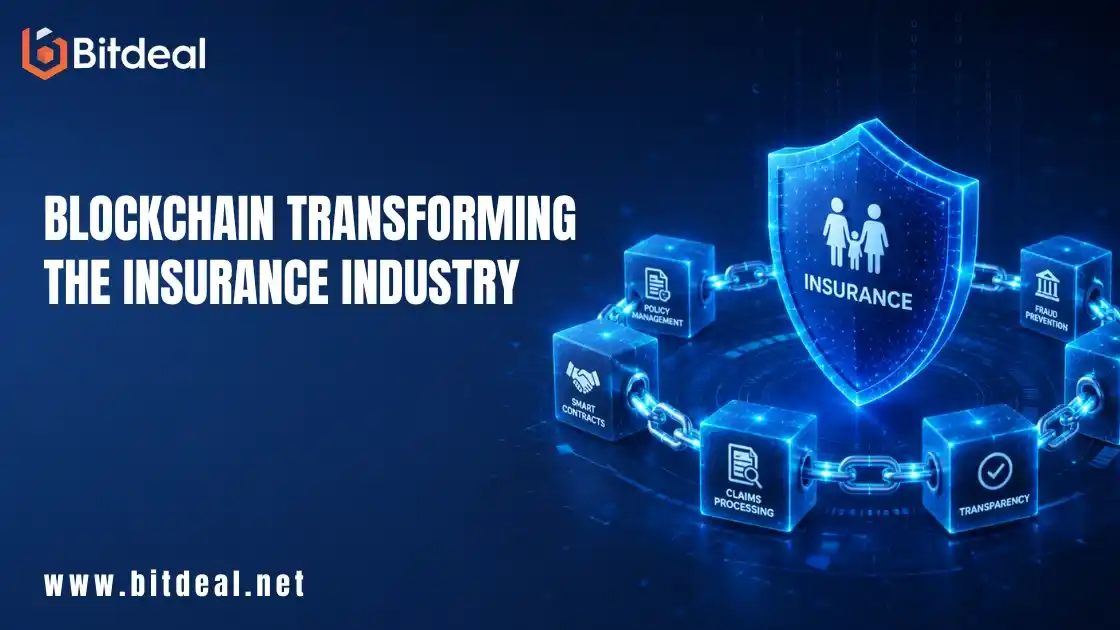
In recent years, the insurance industry has been undergoing a significant transformation, driven by the innovative capabilities of Blockchain Development. From streamlining processes to enhancing transparency and trust, blockchain is reshaping how insurers operate and interact with policyholders. This article explores the multifaceted impact of blockchain on the insurance sector, highlighting its benefits, challenges, and future potential.
Understanding Blockchain Technology
Blockchain is a decentralized digital ledger technology that securely records transactions across multiple computers. This ensures that the recorded transactions cannot be altered retroactively, providing a high level of security and transparency. In the context of insurance, blockchain can facilitate various processes, from underwriting to claims management.
The Benefits of Blockchain in Insurance
One of the primary advantages of blockchain technology in insurance is its ability to enhance efficiency. By automating processes and reducing paperwork, insurers can significantly lower operational costs. Additionally, blockchain fosters greater transparency, allowing all parties involved to access the same information in real-time, which minimizes disputes and accelerates claims processing.
How Blockchain is Changing Insurance Claims
Insurance claims often involve complex procedures that can lead to delays and frustration for policyholders. Blockchain technology simplifies this process by creating a secure, immutable record of all transactions. For instance, when a claim is filed, the relevant data can be instantly verified against the blockchain, expediting approval and payment. This not only improves customer satisfaction but also reduces the risk of fraudulent claims.
Blockchain for Fraud Prevention in Insurance
Fraud is a significant issue in the insurance industry, costing billions annually. Blockchain's inherent transparency and security features make it an effective tool for fraud prevention. By recording every transaction on a public ledger, insurers can easily identify suspicious activities and patterns. Additionally, smart contracts can automate the verification process, ensuring that claims are only paid when all conditions are met.
The Role of Smart Contracts in Insurance
Smart contracts are self-executing contracts with the terms of the agreement directly written into code. In insurance, they can automate various processes, such as premium payments and claims settlements. For example, a smart contract can automatically trigger a payout when specific conditions are met, such as a flight delay. This not only speeds up the claims process but also reduces administrative costs.
Blockchain Insurance Startups Leading the Charge
Several startups are leveraging blockchain technology to disrupt the traditional insurance model. Companies like Etherisc and Insurwave are developing innovative solutions that enhance transparency and efficiency. These startups are not only creating new insurance products but also redefining customer experiences by providing real-time data and insights.
Blockchain Insurance Solutions: Real-World Applications
Various real-world applications of blockchain in insurance are already making waves. For instance, the use of blockchain for parametric insurance allows for automatic payouts based on predefined conditions, such as weather events. This approach minimizes the need for claims processing and enhances customer trust by providing instant compensation.
Buying Blockchain Insurance: What You Need to Know
As blockchain insurance solutions become more prevalent, consumers need to understand how to navigate this new landscape. When considering blockchain insurance, look for providers that offer transparent terms and conditions, robust security features, and a user-friendly interface. Additionally, assess the insurer's reputation and track record in the industry.
Impact of Blockchain on Insurance Premiums
The integration of blockchain technology can lead to lower insurance premiums. By reducing fraud and operational costs, insurers can pass these savings onto consumers. Moreover, the increased efficiency in claims processing means that insurers can allocate resources more effectively, further driving down costs.
Future of Blockchain in Insurance
The future of blockchain in the insurance sector looks promising. As technology continues to evolve, we can expect more sophisticated applications that enhance customer experiences and operational efficiency. Insurers that embrace blockchain will likely gain a competitive edge, positioning themselves as leaders in a rapidly changing market.
Conclusion: Embracing Blockchain for a Better Insurance Experience
Blockchain technology is revolutionizing the insurance industry by enhancing transparency, efficiency, and security. As more insurers adopt blockchain solutions, consumers can expect a more streamlined and trustworthy experience.
Get A Demo
We are glad to announce that, Bitdeal is making one more milestone in its journey. As Web3 technologies becomes more dominant and lucrative, bitdeal sets its footmark in AI and Gaming Space. Explore our all-new AI and Gaming Solutions below here.