


Blog | Blockchain
How to Build a DAO on Blockchain
Learn how to build a DAO on blockchain with smart contracts, governance models, and token systems to create secure decentralized communities.
- Blogs

How to build a dao on blockchain
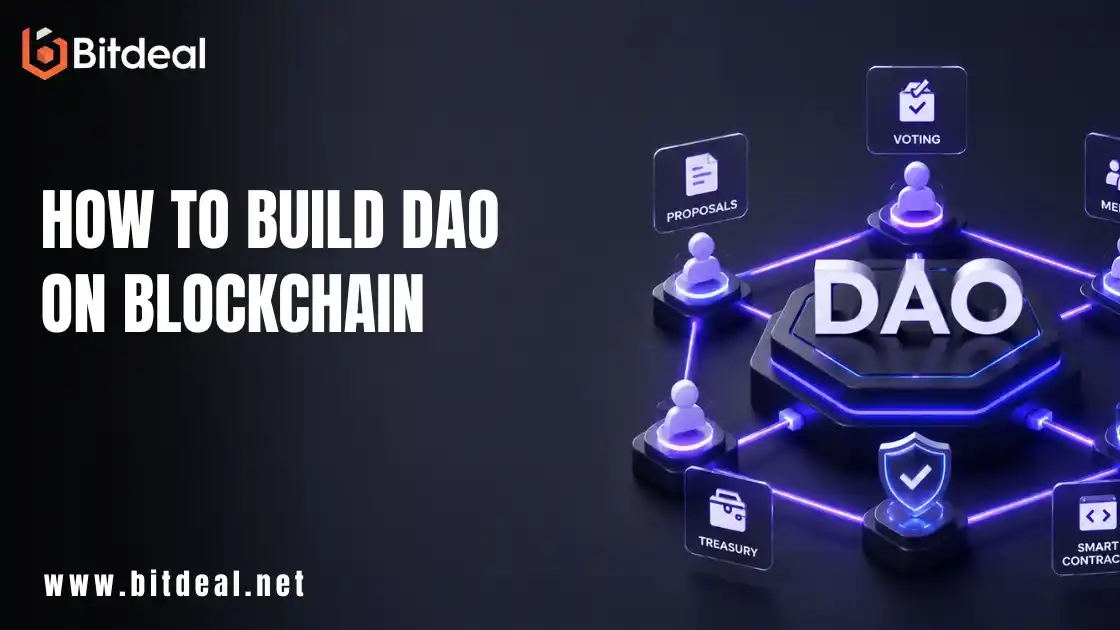
Decentralized Autonomous Organizations (DAOs) are revolutionizing how organizations operate by leveraging Blockchain Development to create more democratic and transparent governance structures. In this article, we will explore the essential steps to build a DAO, the various governance models available, best practices for creation, and the tools you can use to develop your own DAO. Whether you are a developer, entrepreneur, or enthusiast, understanding how to build a DAO on blockchain can empower you to create innovative solutions for collaborative decision-making.
Understanding DAOs
A DAO is a digital organization that operates through smart contracts on a blockchain. Unlike traditional organizations, DAOs are governed by their members, who can propose and vote on changes or initiatives. This model enhances transparency and reduces the need for intermediaries. According to Investopedia, DAOs are structured to operate autonomously, allowing for a new level of organizational efficiency.
DAO Governance Models
Governance models are crucial in determining how a DAO operates. The two primary models are
Token-based Governance: Members hold tokens that grant them voting rights proportional to their holdings. This model incentivizes participation but can lead to centralization if a few members hold a majority of tokens.
Liquid Democracy: This model allows members to delegate their voting power to trusted representatives. It combines direct and representative democracy, enhancing flexibility and engagement.
Best Practices for DAO Creation
Creating a successful DAO requires careful planning and execution. Here are some best practices
Define Clear Objectives: Establish the purpose and goals of your DAO. This clarity will guide your governance structure and community engagement.
Engage the Community: Involve potential members early in the process to gather feedback and foster a sense of ownership.
Ensure Transparency: Maintain open communication and provide regular updates to build trust within the community.
DAO Smart Contract Development
Smart contracts are the backbone of any DAO. They automate decision-making processes and enforce rules without the need for intermediaries. When developing smart contracts, consider the following
Security: Conduct thorough audits to identify vulnerabilities that could be exploited.
Modularity: Design contracts that can be easily updated or modified to adapt to changing needs.
Testing: Implement extensive testing to ensure functionality and reliability.
Blockchain DAO Examples
Several successful DAOs have emerged, showcasing the potential of this governance model. Examples include
MakerDAO: A decentralized lending platform that allows users to borrow against their crypto assets.
Aragon: A platform that enables users to create and manage their own DAOs with customizable governance structures.
DAO Tokenomics
Tokenomics refers to the economic model surrounding a DAO's tokens. A well-designed tokenomics structure can incentivize participation and ensure sustainability. Key elements include
Utility: Define the use cases for your tokens within the ecosystem.
Incentives: Create mechanisms to reward active participation and contributions.
How to Fund a DAO
Funding a DAO can be challenging but essential for its sustainability. Consider these methods
Crowdfunding: Launch a token sale or crowdfunding campaign to raise initial capital.
Grants: Seek funding from organizations that support blockchain initiatives.
DAO Legal Considerations
Legal frameworks for DAOs are still evolving. It's important to understand the implications of operating a DAO, including
Regulatory Compliance: Ensure compliance with local laws and regulations.
Liability: Understand the legal responsibilities of DAO members and governance structures.
DAO vs Traditional Organization
DAOs differ significantly from traditional organizations. Key differences include
Decision-Making: DAOs promote collective decision-making, while traditional organizations often rely on a top-down approach.
Transparency: DAOs operate on public blockchains, providing transparency that traditional organizations may lack.
DAO Platforms Comparison
Various platforms facilitate the creation and management of DAOs. Some popular options include
DAOstack: A platform that provides tools for decentralized governance.
Colony: Focuses on creating a collaborative work environment with built-in incentives.
Cost to Build a DAO
The cost of building a DAO can vary widely based on complexity and requirements. Factors influencing cost include
Development Costs: Hiring developers to create smart contracts and user interfaces.
Marketing: Promoting the DAO to attract members and funding.
DAO Consulting Services
For those looking to build a DAO, consulting services can provide valuable insights and expertise. Engaging with professionals can help navigate the complexities of DAO creation and governance.
DAO Community Building Strategies
Building a strong community is vital for a DAO's success. Strategies include
Regular Engagement: Host events, discussions, and workshops to keep members involved.
Feedback Loops: Encourage members to share their thoughts and ideas to foster a sense of ownership.
In conclusion, building a DAO on blockchain presents an exciting opportunity to innovate organizational governance. By understanding the essential components from governance models to community building, you can create a successful DAO that thrives in the decentralized ecosystem.
Get A Demo
We are glad to announce that, Bitdeal is making one more milestone in its journey. As Web3 technologies becomes more dominant and lucrative, bitdeal sets its footmark in AI and Gaming Space. Explore our all-new AI and Gaming Solutions below here.